
Safety advice
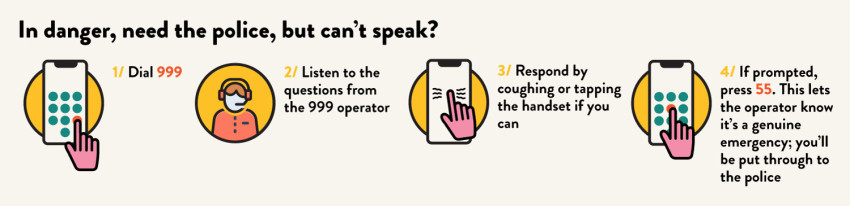
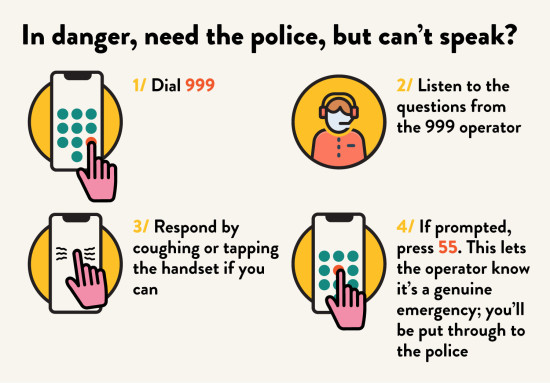
This guidance is intended to support people who may be living with, or planning to leave an abusive environment. Your safety and wellbeing are the priority and support is available.
If you would like to speak to Police Scotland about non-emergency issues call 101.
Right to Ask – Disclosure Scheme for Domestic Abuse (Scotland)
This scheme (also sometimes referred to as Clare’s Law) empowers individuals with the right to ask about the background of their partner, potential partner or someone who is in a relationship with someone they know, and there is a concern that the individual may be abusive. Any individual can make an application, and FearFree can assist you with this process.
For more information, visit the Police Scotland website.
Preparing to leave the relationship
If you have decided that you want to leave an abusive relationship there are things you can do to increase your safety. Some people may not be aware that at the point of separation your risk of harm is significantly increased. Some safety actions may be more appropriate, or safe, than others. Your FearFree caseworker can help you create your own safety plan for leaving.
Some safety actions might include:
- Planning the best time/day to leave e.g. when your partner will be at work
- Don’t tell your children your plan in advance, they may accidently tell your partner
- Have your identification documents somewhere accessible
- Ensure you have credit on your mobile phone
- Have a note of support organisations and their telephone numbers
- Collect any documents relating to your mortgage/tenancy or any visas or work permit documentation, including national insurance number
- Hide a small amount of cash that you can take the day you leave
- Pack any medication for you/children
After you have left you should be aware of heightened risk, and you may wish to consider some of the following safety actions:
- Online banking – change your details and be cautious of your partner monitoring your movements through your bank account
- Social media and mobile phones – ensure that your locations services are switched off so your partner cannot trace you
- Vary your routine, especially when going to places that your partner knows you visit frequently e.g. work or a friend’s house
- Change passwords on other accounts e.g. email, online shopping etc
- Change your telephone number and screen calls
- Target hardening – making your new home safer with alarms, additional locks etc. There are public services that may be able to help with this e.g. Police, Fire Service
- Speak to your employer and/or work colleagues about what has happened, especially if your (ex) partner is likely to contact you at work
If you decide to stay with your partner, or if you have left and returned, there are some things you can consider to help improve your safety:
- Be aware of any signs or triggers of violent episodes, and have a plan as to how you’ll remove yourself from the situation
- Avoid areas of the house where there is increased access to weapons e.g. kitchen, garage
- If you can trust your neighbours let them know what has been happening so that they can call the police if there’s an incident
- Have your documents stored somewhere safe in case you do need to leave
- Speak with Police Scotland to have a ‘marker’ placed on your address so that they can provided a quicker response – FearFree can help you with this
- Keep your phone charged and topped up with credit
- Be aware of ‘spyware’ on your home computers/mobile devices which tracks your activity, even if you are browsing in ‘Incognito’ or ‘InPrivate Browsing’ modes. It’s safer to use a computer in a library of other public space
- Have a code word with your FearFree caseworker or other support agency so they know if you can talk on the phone
- Turn your GPS off on your mobile devices if you are going to a support appointment